Mavix Marketing Mavix Marketing, home +1 (510) 312-5086

Regulated industry

CBD marketing built for a channel mix that stays open

The CBD and hemp brands that arrive here have usually been sold paid social by an agency that did not know the policy or assumed it would be fine. The accounts got disabled, and sometimes the business page went with them. The question they arrive with is not how to scale ads. It is which channels will still be here in six months. This page answers that one.

See the case studies

Or call +1 (510) 312-5086 Mon to Sat, 9:00 to 18:00 ET

Free, written by a person, yours to keep either way.

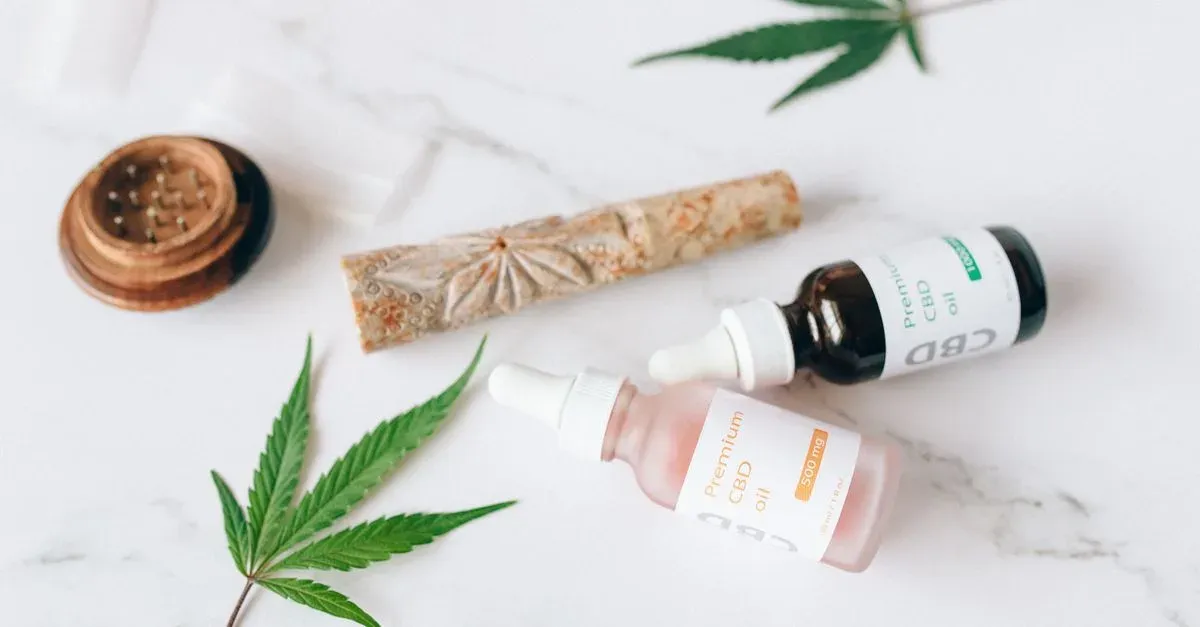
CBD dropper bottles and hemp leaves arranged on a pale surface
Photograph by Nataliya Vaitkevich on Pexels

Certified across the platforms we buy on. 150+ businesses, 7 years.

  • Google Ads Partner
  • Google Partner certification
  • Meta Business Partner
  • TikTok Marketing Partner
  • Shopify Partner
  • SEMrush Agency Partner

Marketing does not behave the same way here.

Nearly every channel a normal ecommerce brand relies on is either closed to you or conditional. Google Ads has allowed a narrow set of topical, FDA-cleared hemp products in certain US states through LegitScript certification, and ingestibles remain broadly prohibited. Meta has taken a similar shape, permitting some topical hemp advertising while ingestible CBD stays out.

Payment processors reserve the right to drop you, and several of the large email platforms name CBD in their prohibited use policies, which means a brand can lose its list and its store at the same time through no fault of its own. Channels you own outrank channels you rent, by a wider margin here than in any other industry worked in.

Organic search, an email list on a provider that has agreed in writing to take you, and a first-party data setup that survives a platform ban are not the cautious option in this market. They are the only option that compounds. And because policy moves, anything written about it, including this page, needs checking against the current policy text before you spend money against it.

How your customers actually search.

Condition-led, and legally awkward

People search for the thing they want fixed rather than the product. That intent is real and high volume, and it is also exactly where the FDA takes an interest, so it has to be answered without making a health claim you cannot make.

Ingredient and dosage research

Spectrum types, milligrams per serving, extraction method, third-party lab results. A long, genuinely informational phase where the brand that explains properly earns the trust that later converts.

Comparison and legitimacy checks

Brand against brand, reviews, is it legal in my state, will it show on a drug test. Buyers here run a trust check that buyers in other categories skip entirely.

Repeat and reorder

Once someone finds a product that works they mostly stop searching. Repeat business is worth more here than in almost any comparable category, and it is won by email rather than by search.

How an enquiry becomes a customer.

Different intents take different routes. Serving all of them with one page is the most common structural mistake in this industry.

  • Informational search, then several visits over weeks while the buyer checks whether the brand is credible and the product is legal where they live.
  • Lab result and sourcing pages get read properly, not skimmed. They are a conversion asset rather than a compliance formality.
  • The first purchase is usually small and cautious. The margin is in the second and third order, which is an email problem rather than a traffic problem.
  • Subscription and reorder flows carry the account, because paid traffic cannot be relied on to be there next quarter.

Search

What goes wrong in search

SEO in detail
  • Health claims written into title tags and product copy, which is both an FDA exposure and a reason retailers and platforms reject the brand.
  • No content answering state legality, drug testing or dosage, which is most of what buyers actually search before they will buy anything.
  • Certificates of analysis buried in a PDF with no page of their own, so the single strongest trust signal the brand owns is invisible to search.
  • Thin product pages that list a spectrum and a milligram figure and nothing a buyer could use to choose between two similar products.
  • The whole site built for a paid traffic model the platforms will not sustain, so organic was never structured in the first place.

Paid

Where paid search wins here

Google Ads in detail
  • Where topical products qualify, LegitScript certification and a properly geo-restricted campaign is a legitimate route, and it needs the current policy checked before any budget is committed.
  • Search campaigns on brand and on non-ingestible categories, which behave very differently from the blanket approach that gets accounts disabled.
  • Native and programmatic networks that accept the category, which are usually cheaper than the closed platforms and almost never tested.
  • Sponsorship and placement on publications that already rank for the terms you cannot bid on, which buys the position rather than the click.

Email

What email is for in this industry

Email automation in detail
  • A provider chosen because it accepts the category in writing, not because it is the one everybody uses. Losing a list to a policy enforcement is a company-level event here.
  • Reorder and subscription flows timed to the supply a customer bought, which is the single highest-return automation in the category.
  • Education sequences that answer the legality and testing questions properly, which shortens a decision that otherwise stalls for weeks.
  • Win-back for lapsed customers, who in this category usually stopped for a practical reason rather than a bad experience.

What the report should lead with.

  • Organic revenue as a share of total, which is the real measure of platform independence
  • Repeat purchase rate and time between orders
  • Email revenue per recipient, tracked separately from total revenue
  • Subscription retention at month three and month six
  • Non-brand organic clicks, so brand searches do not flatter the numbers

Proof

Numbers from comparable accounts.

SEO

470K

organic clicks in 12 months

21.3M impressions at an average position of 8.8.

Real accounts, anonymised by client agreement. Currency as recorded in the account. Movement varies by market, budget and starting position.

On camera

Four clients on camera, in their own words.

Four clients, four industries, one thing in common: the number moved and they said so on camera.

  • Still from the video testimonial by Ahmed

    It is the best long-term investment we have made in the company, full stop.

    Ahmed · Business owner · SEO

  • Still from the video testimonial by Sandra

    The cost per lead from organic is a fraction of what we pay on ads, and that math gets better every month.

    Sandra · Founder · SEO

  • Still from the video testimonial by Aaliyah

    People can book a table without calling during the dinner rush. My host actually thanked me.

    Aaliyah · Restaurant owner · Website

  • Still from the video testimonial by David

    These tech geeks know the Facebook analytics and the data and the pixels and all that stuff that makes a musician’s head explode.

    David · The Wankers · Social ads

Read next, if you run a business like this.

Email revenue Checklist 11 min read

The email flows worth building, in payback order

Five automated email sequences in the order we build them, with the trigger and timing of each message and the sender rules that keep them out of spam.

Read the post

Questions

Questions from this industry.

01 Can a CBD brand run Google Ads at all?
Narrowly, and it depends what you sell and where. Google has permitted certain topical, FDA-cleared hemp products in specific US states through LegitScript certification, while ingestible CBD has stayed broadly prohibited. Policy in this category changes, so the honest answer is that the current policy text gets checked against your specific products before anyone commits budget, rather than telling you now what it said last quarter.
02 Our CBD ad account got disabled and we lost the page too. Can that be recovered?
Sometimes, and appeals are worth running properly rather than through a form. What matters more is that the business stops being one enforcement away from having no revenue. That means organic and email carrying a real share of sales, and it is the reason those lead here rather than being the sensible extras.
03 Why can a CBD brand not say what its product does?
Because a claim that it treats, cures or prevents a condition makes it an unapproved drug in the FDA's reading, and that exposure sits with you rather than with your agency. There is a large amount you can say about sourcing, testing, spectrum, dosage and what customers report. Most brands underuse that range because they are busy trying to make the one claim they cannot.
04 Is SEO realistic for CBD in a category this competitive?
More realistic here than in most, because your competitors are in the same position and a large number of them are still pouring effort into paid channels that keep closing. The searches around legality, testing and dosage are genuinely underserved. That is unglamorous ground and it is available.
05 Will an email platform actually take a CBD brand?
Several will, several will not, and some accept you at signup and enforce later, which is the worst outcome. The answer gets obtained in writing before anything is migrated, and an export of the list is kept somewhere you control. That is not paranoia in this category. It is the minimum.

Free review

Send the address. We will tell you what it is costing you.

  • Search. What you rank for now, and the searches you should be winning.
  • Paid. What the spend is buying, and the campaigns quietly eating it.
  • Email. Whether the list is mailed at all, and what the missing flows are worth.
  • Tracking. Whether it measures anything real, or counts page views as sales.

A 50% increase in 90 days, or you get a refund plus $1,000. Yours to keep whether you hire us or not.

Send the site. We will say what we would fix first.

A minute to fill in. A written answer from a person, not a sequence.

Free, and yours whether you hire us or not.

Free review

A written plan for more enquiries from your site.

  • What you rank for, and what you should.
  • What the ad spend is buying, and what a lead really costs.
  • Which follow-up emails your list is missing.
  • Whether your tracking counts anything real.

Read by a person, written for your business, back within one working day. Yours to keep whether you hire us or not.

150+ businesses since 2019. No sequence, nobody chases you.

Free, and yours whether you hire us or not.

Book a call

Pick a time that suits you.

Fifteen minutes with the founder, who will have read your site before you speak.