
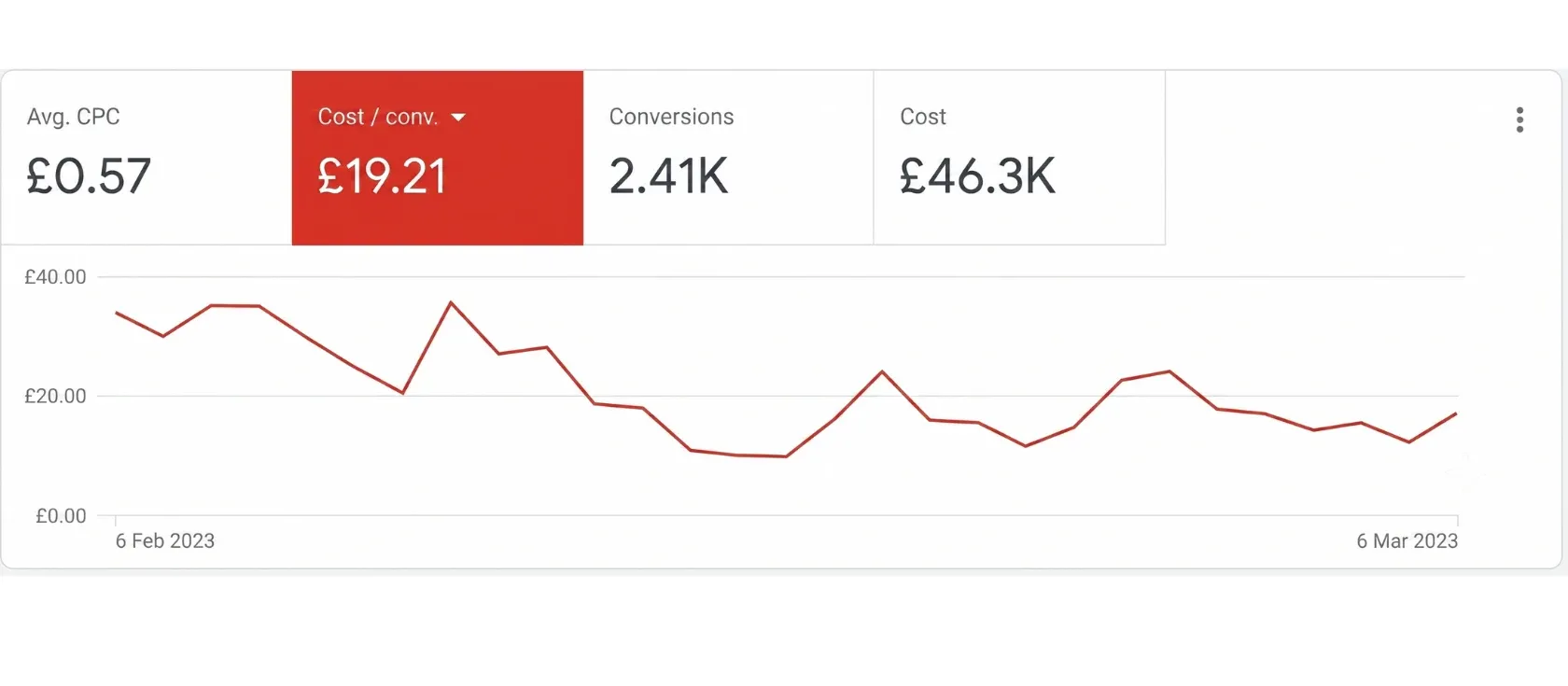
Google Ads, lead generationMedia buying
2.41Kconversions
- £19.21cost per conversion
- £0.57average cost per click
- £46.3Kspend managed
Pest control local SEO
Someone finds droppings under the sink at ten at night and searches on their phone. They see three companies on a map, each with a star rating and a call button. They do not scroll. Being one of those three, with the phone answered, is the whole job.
Or call +1 (510) 312-5086 Mon to Sat, 9:00 to 18:00 ET
Free, written by a person, yours to keep either way.
Certified across the platforms we buy on. 150+ businesses, 7 years.






These are the searches Google answers with a map.
What these have in common is speed. The customer is not comparing websites. They read a star rating, a review count and perhaps one review, then tap to call. The pest control page covers the wider trade. This page is about that map and the profile behind it.
Google’s help page states that local results are “mainly based on relevance, distance” and prominence. Relevance is how well the profile matches the search. Distance is how far you are from the person searching. Prominence is how well known the business is.
The same page says more reviews and positive ratings can help, and that there is no way to pay for a better position. For a pest control firm, relevance is the one most often left unused. A profile can list each pest, and many list none.
The services section is blank. If the profile only says “pest control”, it has little to match “bed bug treatment” with. Each pest you treat belongs in the services list.
A listing for every technician. Google’s guidelines say there should be one profile per business, and that a service-area business should hide its address. A listing at each technician’s home is a duplicate.
Service areas that cover half the state. The limit is 20 service areas, within about two hours of driving from your base. Adding distant towns does not make the map show you there.
Hours that are not true. “Open 24 hours” brings calls at 3am. If they reach voicemail, you have paid nothing and lost a customer anyway.
The license is missing. The Bureau of Labor Statistics notes that most states require pest control workers to be licensed. The EPA says state, territorial and tribal authorities certify applicators. A customer letting someone spray inside their kitchen wants to see that number. Put it in the profile description and on the site.
Reviews are asked for at the wrong moment. Asking on the day of treatment gets a polite review. Asking after the follow-up gets one that says the mice are gone.
| Part of the profile | What a pest control firm should have there | Why |
|---|---|---|
| Primary category | Pest control service | It is the main signal of what you do |
| Services | Each pest you treat, plus inspections and recurring plans | Gives the profile something to match pest searches with |
| Service areas | The towns you reach the same day | Sets honest expectations and stays within the guidelines |
| Hours | The hours a person answers | A customer in a hurry will not leave a message |
| Description | License number, years trading, pests and property types | The first thing a careful customer reads |
| Photographs | Technicians, vehicles, real work, with nothing that alarms | Shows a real local business |
| Reviews and replies | Recent reviews, each one answered | Google says reviews can help ranking, and customers read them |
Month one. The profile is rebuilt from the name, phone number and category. Each pest goes into the services list. Duplicate listings are found and closed. A tracked number is added so calls from the map can be counted by hour. The Google Business Profile guide covers each field.
Month two. The review routine begins. A request goes out after the follow-up visit, by text, with the link. Google’s advice is to share a link or QR code and reply to reviews. It also says incentives are strictly prohibited. The FTC’s rule on reviews bans compensation conditioned on a particular sentiment.
Month three. Directory listings, the state license lookup and any trade association listing are checked against the profile and corrected.
Each season. Before termite season, rodent season and wasp season, the profile gets new photographs and a post about that pest. Recurring-plan customers are asked for reviews at renewal.
Google charges nothing for a profile. What you pay for is the cleanup and the routine. The size of that depends on how many duplicate listings exist, how wide the review gap is, and how many locations you really operate from.
We have no published pest control benchmark to put a dollar value on a map call. The nearest sourced figure is LocaliQ’s home services average of $90.92 for a paid search lead, from US campaigns between April 2024 and March 2025. Our article on what local SEO costs covers the general ranges, and the lead generation calculator helps set a target. Mavix quotes after a free review.
If the season has started and the profile has few reviews, the map will not turn in time. Google Ads for pest control covers pay-per-lead ads, which appear above the map.
If your target is commercial contracts with restaurants and property managers, those buyers ask for documents and a survey. A commercial page and direct contact do more than the map.
If you want to rank in towns well away from your base, that is website work. See SEO for pest control. What the work includes is listed on the local SEO service page.
Proof
Not accounts in this trade. Two service businesses that sell through enquiries and calls, which is the same way this trade sells.
Google Ads, lead generationMedia buying
2.41Kconversions
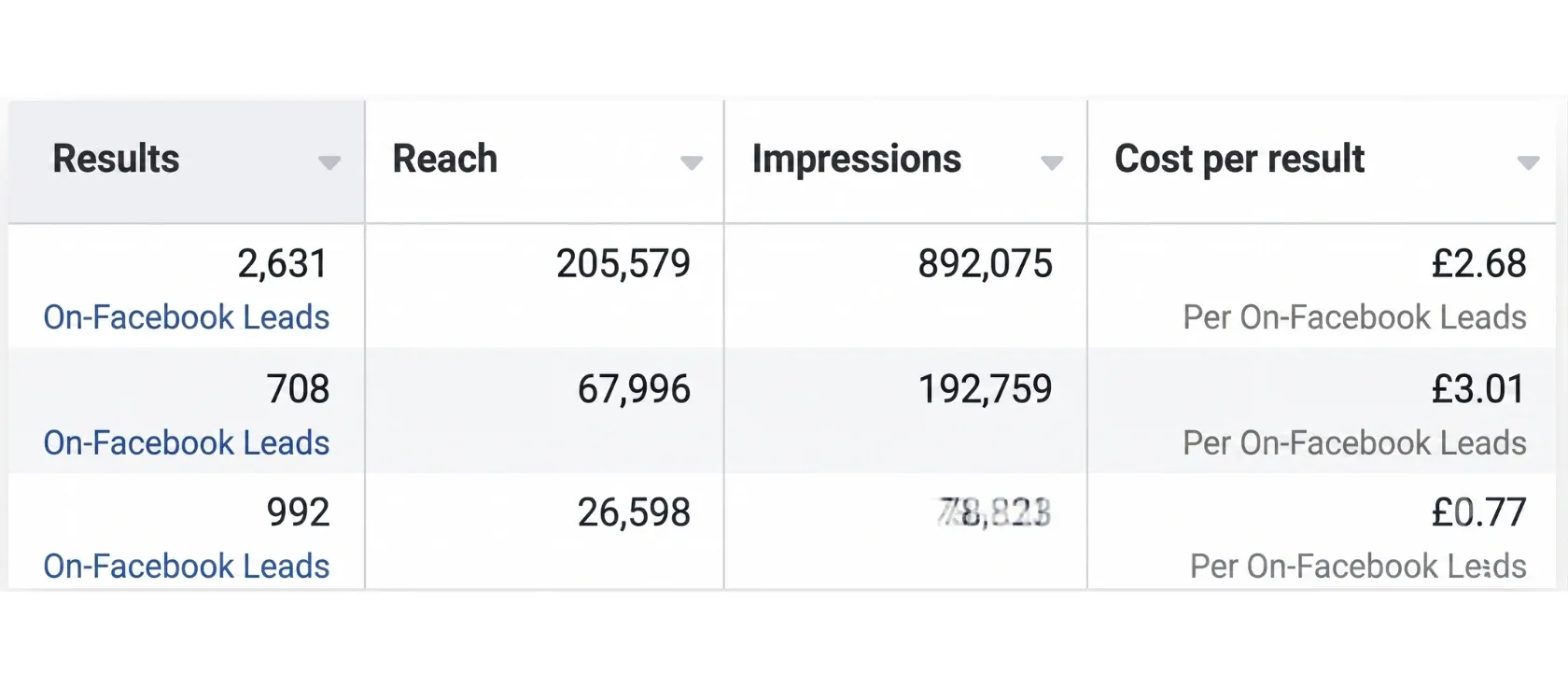
Meta, lead generationMedia buying
£2.68cost per lead
Questions
Next step
A written review of your search, ads and follow-up, by a person. You keep the document whether you hire us or not.
Free review
A 50% increase in 90 days, or you get a refund plus $1,000. Yours to keep whether you hire us or not.