
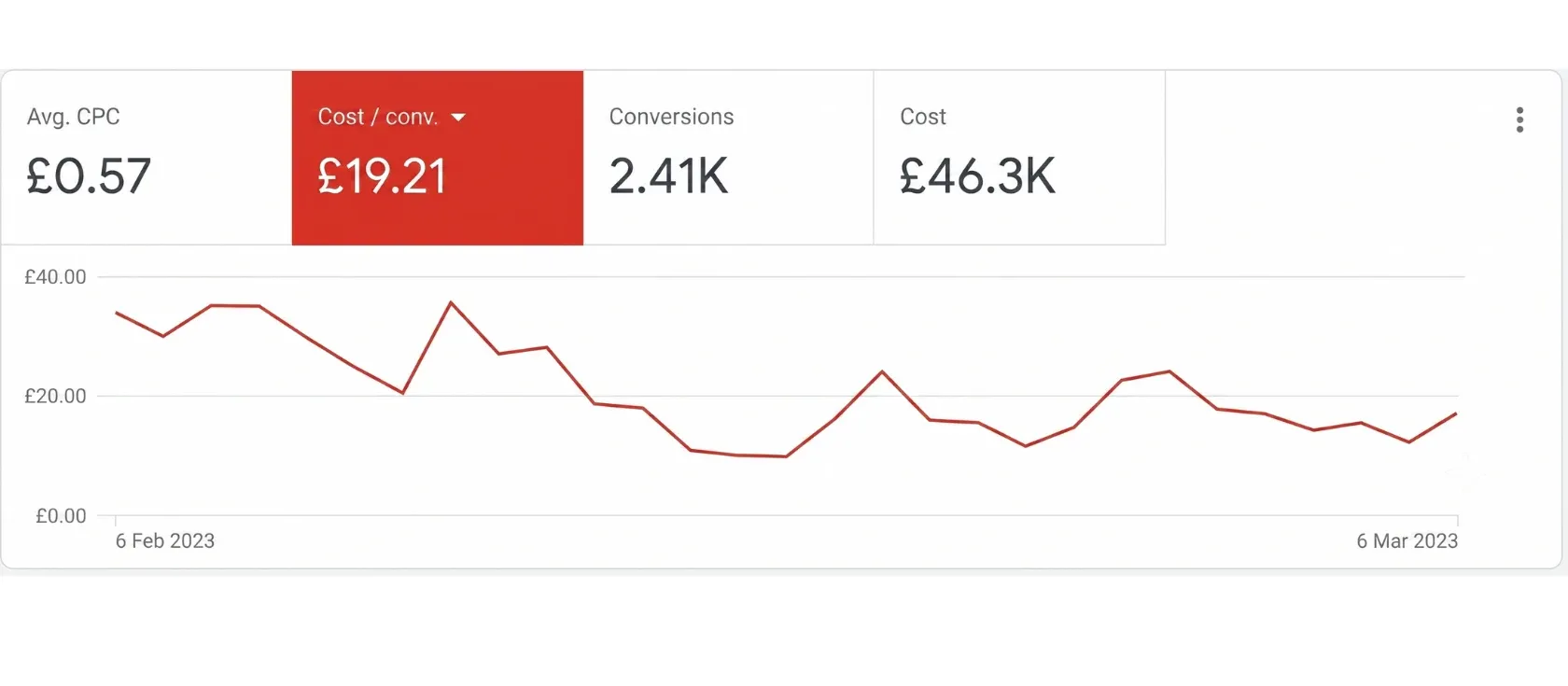
Google Ads, lead generationMedia buying
2.41Kconversions
- £19.21cost per conversion
- £0.57average cost per click
- £46.3Kspend managed
Pest control SEO
Nobody searches for "pest control" when there are winged insects on the windowsill. They search for termites, or flying ants, or whatever they think it is. If your site has one page called Pest Control, it has nothing that matches the search they made.
Or call +1 (510) 312-5086 Mon to Sat, 9:00 to 18:00 ET
Free, written by a person, yours to keep either way.
Certified across the platforms we buy on. 150+ businesses, 7 years.






Pest searches are made by species, and often by a guess at the species.
The pest control page explains how these buyers behave across all marketing. This page covers the organic search work: which pages to build, in what order, and when.
One page for every pest. A single Services page with twelve icons has a sentence on each. A homeowner who typed “mice in attic” wants to know how they got in, what it costs and how many visits it takes. The page has to be about mice.
The page arrives after the pest does. A wasp page published in July is too late for July. Google’s starter guide says “some changes might take effect in a few hours, others could take several months”. Season pages need a head start.
Stock photographs and copied descriptions. Google asks whether content shows “first-hand expertise and a depth of knowledge”. Your technicians photograph real nests, droppings and damage every week. Those pictures, with a note on where they were found, are what a copied page cannot offer.
No license in sight. The Bureau of Labor Statistics notes that “most states require pest control workers to be licensed”. The EPA adds that many states require all commercial applicators to be certified. In Texas a business cannot advertise pest control services without a business license and a certified applicator. Put the number in the footer and on every pest page.
Plans are hidden. Recurring cover is the steadier income, and it often has no page of its own.
The seasons below come from the National Pest Management Association, the trade body. Your climate shifts the dates, so check them against your own call log.
| Pest | When demand rises | Source | Have this live beforehand |
|---|---|---|---|
| Termites | Spring, when swarmers emerge indoors | NPMA | Termite treatment page, inspection page, swarmer identification article |
| Carpenter ants | When temperatures warm up | NPMA | Ant page that separates carpenter ants from the rest |
| Mosquitoes | Summer | NPMA | Yard treatment page with plan pricing if you publish it |
| Rats | Active all year, breeding most in spring and fall | NPMA | Rat page, with entry points and exclusion work |
| Mice and rats indoors | Winter, in about 21 million US homes | NPMA | Rodent page and “noise in the attic” article, live by early fall |
Termites deserve the most thorough page. The NPMA puts their damage at more than $5 billion a year, and the customer is weighing a large job, so the page has to answer more.
Month one. You get a baseline of what ranks, and call tracking that records which page each call came from. The pest pages are put in order by job value and by which season is next.
Months two and three. The first pest pages are written. Each covers signs, what the treatment involves, how many visits, what changes the price and the towns you cover. Each carries your own photographs and the license number.
Months three and four. The plan page and the commercial page go up. Identification articles are written and linked to the matching pest page.
After that, one season ahead. Pages are refreshed before their season with new photographs and anything that changed in your service. If the site is not appearing at all, why a website is not ranking covers the usual causes.
Three things set the size of the work: how many pests need a page, how many towns you want to rank in, and whether the site can be edited easily. A firm with six pests and one town is a smaller job than one covering termites, wildlife and commercial across a metro.
There is no published search advertising benchmark for pest control in the LocaliQ report we use for other trades. The nearest figure is its home services average of $7.85 a click and $90.92 a lead, from 3,211 US campaigns between April 2024 and March 2025. Treat that as a rough guide to what a paid visitor costs. Set it against your own job values in the SEO ROI calculator.
We do not publish a pest control price. Mavix gives a quote once the free review is done, and SEO pricing explains the basis for it.
If the season has already started, a new page will not rank in time. Google Ads for pest control can take the calls now while the pages are built for next year.
If you are missing from the map results in your own town, begin with local SEO for pest control. Urgent pest calls come from the map first.
If calls ring out at night and at weekends, sort the phones before adding visibility. The complete method is on the SEO service page.
Proof
Not accounts in this trade. Two service businesses that sell through enquiries and calls, which is the same way this trade sells.
Google Ads, lead generationMedia buying
2.41Kconversions
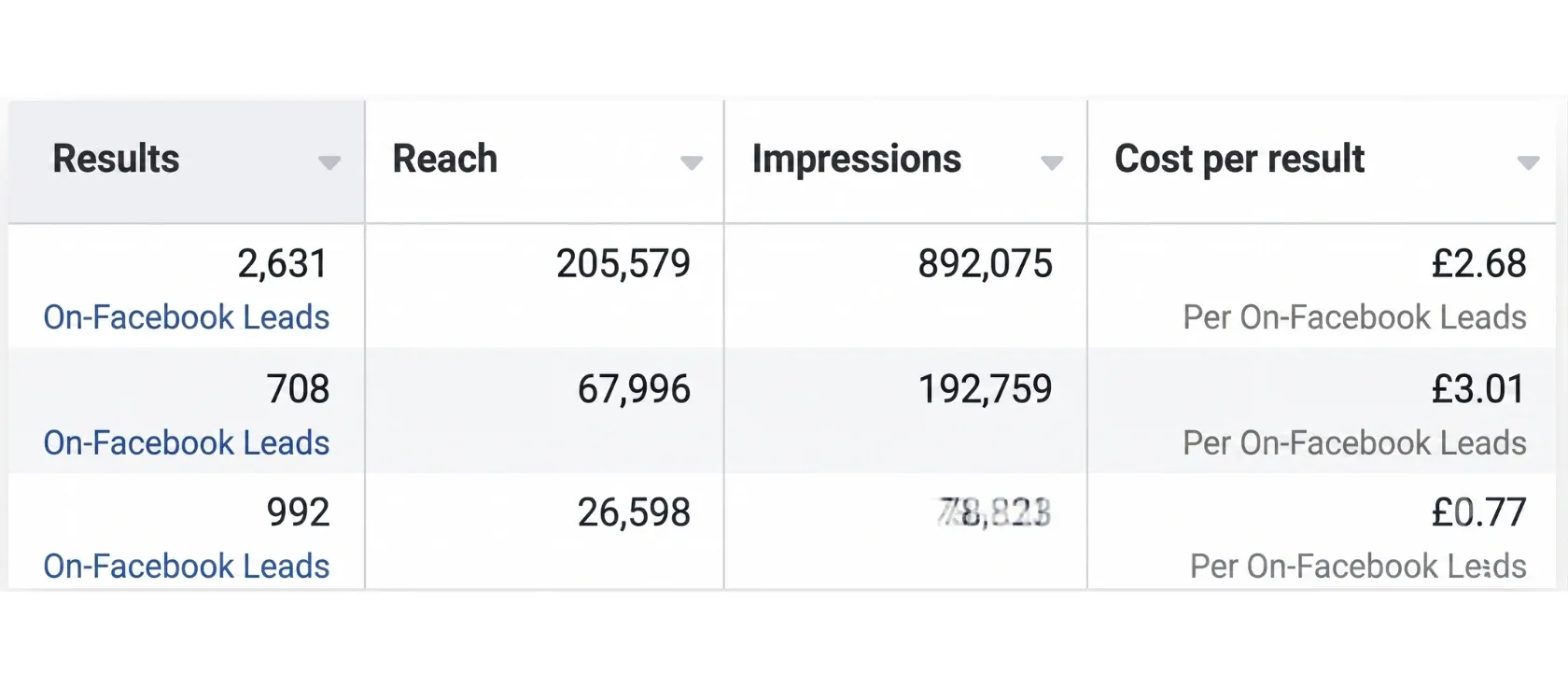
Meta, lead generationMedia buying
£2.68cost per lead
Questions
Next step
A written review of your search, ads and follow-up, by a person. You keep the document whether you hire us or not.
Free review
A 50% increase in 90 days, or you get a refund plus $1,000. Yours to keep whether you hire us or not.