The only channel whose cost does not rise when a competitor bids more
Search and paid ads both get more expensive as your market gets more competitive. The list you own does not. Once someone has given you their address, reaching them again costs close to nothing, and the constraint is whether you have anything worth saying.
It also fails quietly. An ad campaign that stops working shows up in a bill. An automated email that was never built shows up nowhere at all, which is why it tends to stay unbuilt.
Why the enquiries you already paid for are the place to start
One Meta account measured here produced 2,631 leads at £2.68 each. Every one of those had a cost attached before anyone replied to it, and the ones that went quiet after a single reply were paid for in full and returned nothing.
The money was spent at the form. Whatever it cost to get the enquiry, that cost is sunk by the time the person goes quiet. A four or five message sequence over a fortnight recovers a share of those without buying a single new click.
The reader is at a different stage from the sender. A single list and one message means the new enquiry, the customer from last week and the person who bought two years ago all get the same email. Relevance collapses, and deliverability follows it down.
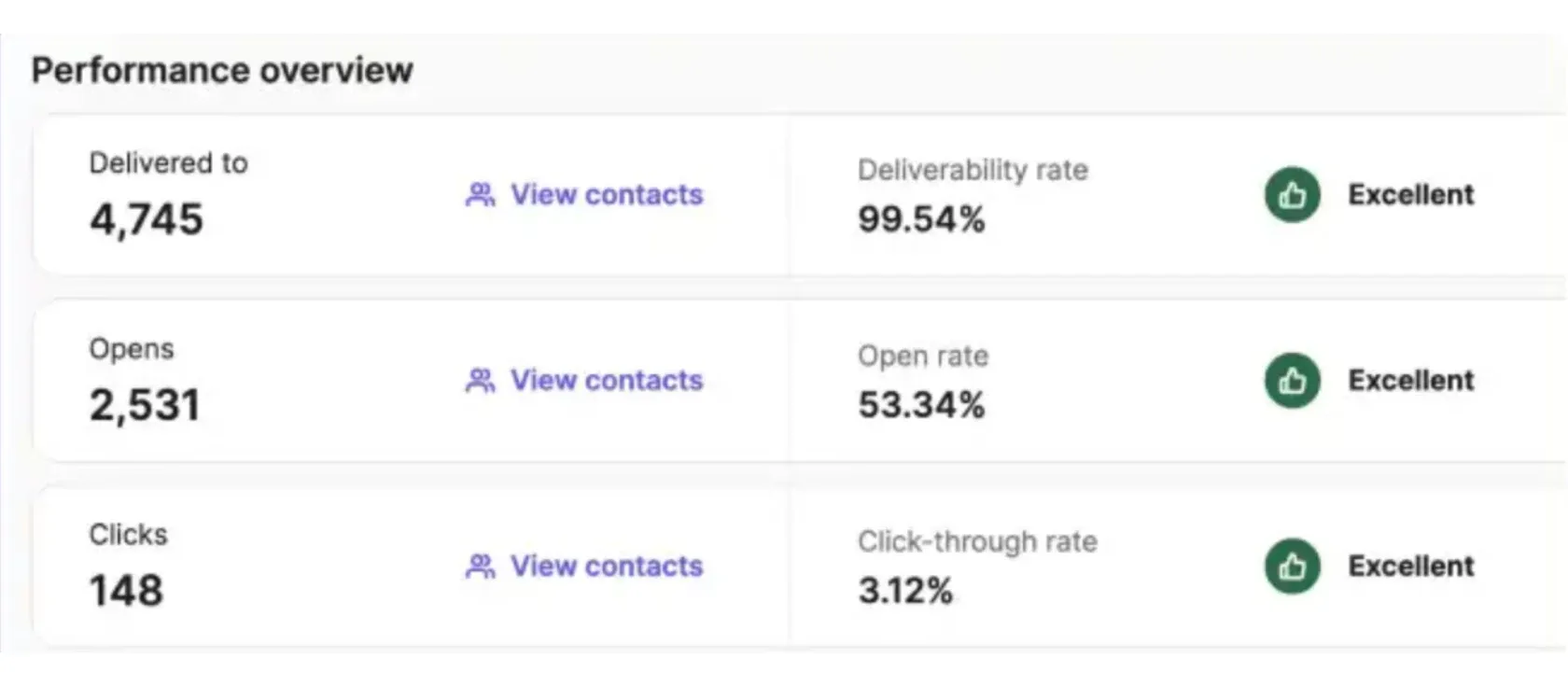
Nobody can see what it earns. Open rate has been unreliable since Apple’s Mail Privacy Protection began pre-loading images in 2021, and it never measured revenue. A report that opens with opens is a report that cannot say whether the channel paid for itself.
So the first flow built is enquiry follow-up, then welcome, then post-purchase and win-back. Campaigns come last, when there is something worth saying.
The four flows, in the order they pay back
Enquiry follow-up: four to six messages over two weeks, each one useful rather than chasing, for the enquiry that went quiet.
Welcome: the highest engagement window you will ever have with a new address, and the one most lists waste on a single “thanks for subscribing”.
Post-purchase: the cheapest route to a second order, with the review request and the replenishment reminder built into it.
Win-back: the customer who has not bought in six months, reached before they have forgotten you exist.
Each one reports its own revenue. A flow that does not earn gets rewritten or switched off.
The thing that quietly kills email programmes
Deliverability. Volume goes up, relevance goes down, complaints creep up, reputation slips, and one day the campaigns that used to work stop working with no obvious cause.
Since February 2024, Gmail and Yahoo have required bulk senders to authenticate with SPF, DKIM and DMARC and to keep spam complaints under 0.3 percent, or be filtered. Authentication is the first thing fixed here, before a word is written, because everything downstream depends on the mail arriving.
Segmentation is not a sophistication feature. It is the mechanism that keeps the mail arriving.
Finish the conversation you paid to start. That is the whole channel.