
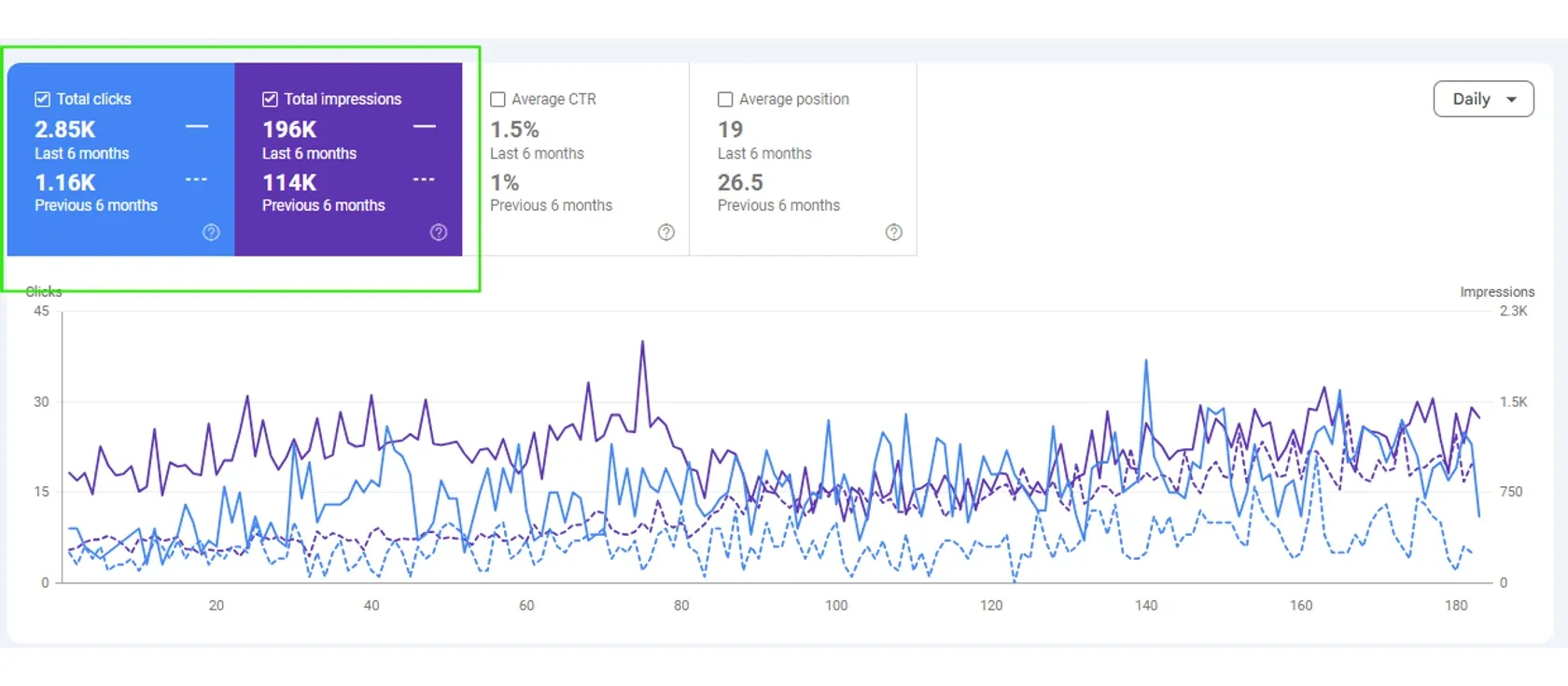
La Vela CoffeeSEO
+146%organic clicks
- 2.85Kclicks, from 1.16K
- 196Kimpressions, from 114K
- 19average position, from 26.5
Real estate Google Ads
You want to show ads to homeowners in three ZIP codes, aged 45 and over, who might downsize. Google will not let a housing advertiser target any of that. What you can still choose is the search itself, and a seller types very different words from a buyer.
Or call +1 (510) 312-5086 Mon to Sat, 9:00 to 18:00 ET
Free, written by a person, yours to keep either way.
Certified across the platforms we buy on. 150+ businesses, 7 years.






Real estate ads fall under Google’s rules for housing. In the United States and Canada, a housing advertiser cannot target audiences by gender, age, parental status, marital status or ZIP code (Google Ads policy, personalized advertising). The same page says city targeting and a radius around a location are still allowed.
The policy sits beside federal law. HUD’s advertising regulation makes it unlawful to publish a housing advertisement that indicates a preference because of race, color, religion, sex, handicap, familial status or national origin. It also names selecting media or locations for advertising in a way that denies parts of the market information about housing (24 CFR 100.75).
In practice this means two things for your account. Your farm area becomes a radius or a city, drawn for business reasons you could explain. And your ad copy describes the service and the property, never the buyer. This is our summary and not legal advice.
With demographic targeting gone, the keyword carries the whole job. The real estate marketing page explains why seller leads are worth more than buyer leads. In the ad account they separate like this.
| Search | Who types it | What to do with it |
|---|---|---|
| what is my house worth | Owner thinking about selling | Bid, land on a valuation page |
| sell my house in [city] | Owner ready to act | Bid, land on a seller page with your recent sales |
| realtor fees to sell a house | Owner comparing costs | Bid, land on a page that states how you charge |
| best listing agent in [city] | Owner choosing an agent | Bid, land on your profile and reviews |
| homes for sale in [city] | Buyer browsing | Only with listings to show, in its own campaign |
| houses for rent, apartments | Renter | Negative keyword, unless you manage rentals |
| real estate license, realtor salary | Job seeker or student | Negative keyword |
| [portal name] | Someone looking for the portal | Negative keyword |
Google notes that negative keywords do not match close variants. Add “rent”, “rental” and “rentals” as separate entries.
That last one deserves a second look in real estate. Relocating buyers do search from other cities, so a buyer campaign may want the wider setting. A homeowner selling is in the home.
Week one. Tracking is set so a valuation request, a call and a buyer registration are three separate events. Campaigns are built inside the housing policy from the start, with no ZIP code lists and no age or gender settings.
Weeks two to six. Seller campaigns go live on phrase and exact keywords. The valuation page is written to ask for the address and one contact detail, then promise a reply from you by name. Search terms are read twice a week.
Months two and three. Keywords that produced valuation requests keep their budget. You tell us which requests became appointments. That feedback is what lets the bidding favor sellers who meet you. Our account structure guide shows the layout.
LocaliQ’s 2026 benchmarks put real estate search ads at an average of $3.22 a click and $102.51 a lead (LocaliQ search advertising benchmarks). In that data, 3.70% of clicks became a lead. The all-industry average cost per lead in the same report is $66.69.
Read those with care. Each advertiser in the data defined a lead for itself, and in real estate that can mean a buyer signing up to view listings. A seller asking for a valuation is a rarer event. Our rule of thumb is to budget for a seller lead to cost several times the buyer figure, then check it against your own first two months.
One listing commission pays for a lot of clicks, and the sum is worth doing before you start. Put your average commission and your appointment-to-listing rate into the Google Ads return calculator.
Mavix states no management fee here. We quote after a free review, and the ads pricing page explains how the fee is set.
A sale that began with an ad click in March may close in August. The report carries leads forward by month, so a signed listing is credited to the campaign that started it.
If you cannot call a valuation request back within the hour, the lead cools while you are at a showing. Sort out who answers first.
If your reviews are thin, a seller who clicks will check them and leave. Build them first, as described under local SEO for real estate agents.
If your budget covers only a few clicks a day, the seller pages under SEO for real estate may be the better use of the same money over a year.
Already running ads and paying for registrations that never answer the phone? Send us read access. We will review the Google Ads account and say which campaigns we would stop.
Proof
Three named accounts with the screenshots. They are not in this trade: they show how the work is measured.
La Vela CoffeeSEO
+146%organic clicks
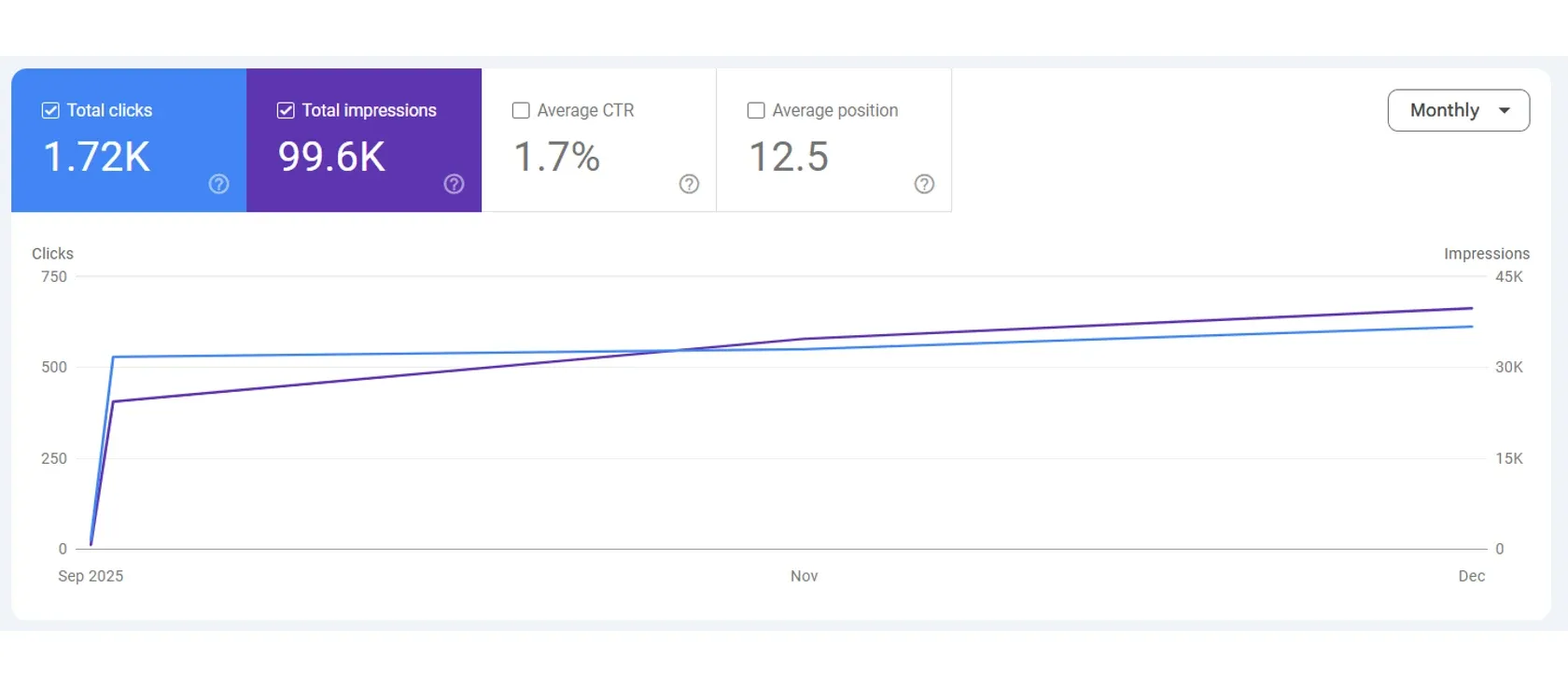
My Favorite TherapistsSEO
99.6Ksearch impressions
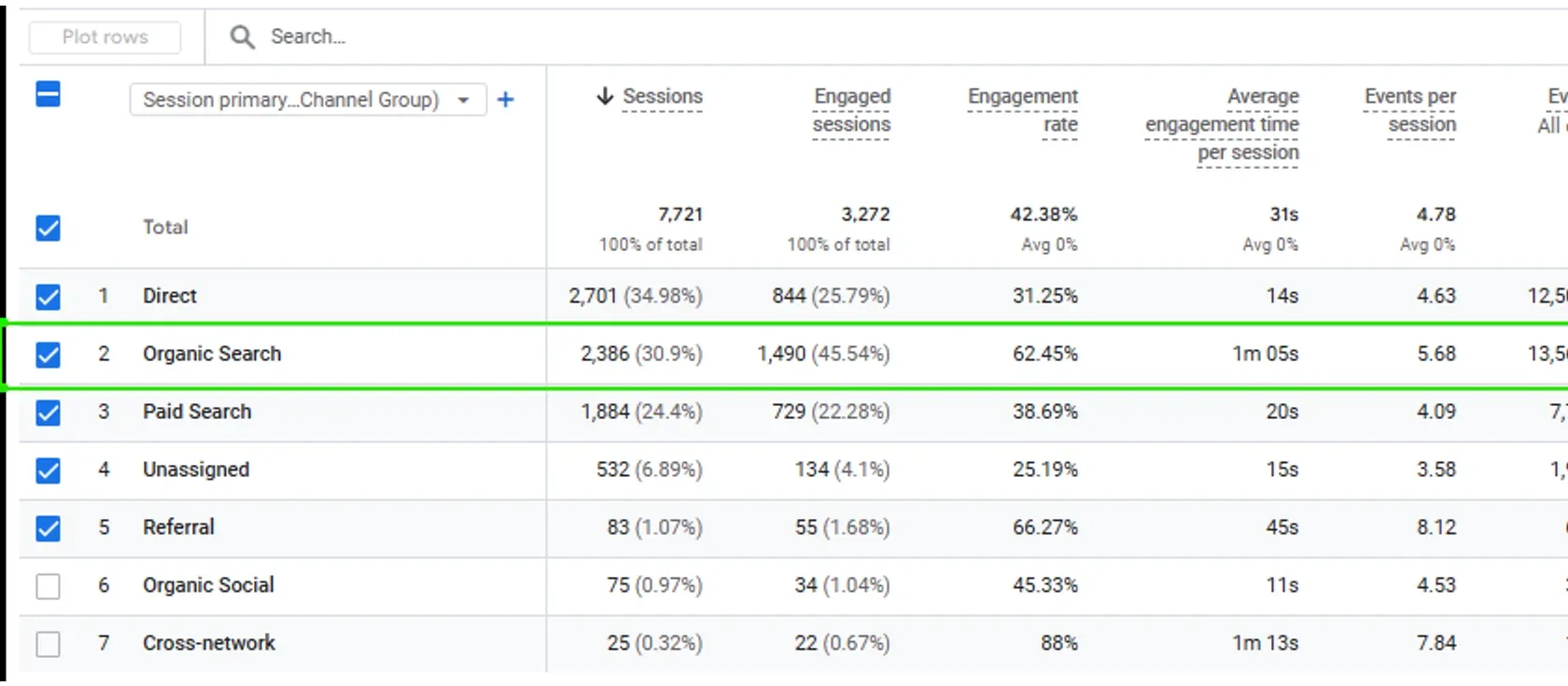
All Dogs RockSEO
45.5%of engaged sessions are organic
Questions
Next step
A written review of your search, ads and follow-up, by a person. You keep the document whether you hire us or not.
Free review
A 50% increase in 90 days, or you get a refund plus $1,000. Yours to keep whether you hire us or not.